
Buying & Financing
Buying an older property: identifying cost traps and carrying out the right checks
An older property can offer character, a good location and a high quality of life. At the same time, viewings often come with concerns about overlooking a costly defect and facing financial pressure after the purchase. The key question is therefore not whether the house has age-related weaknesses, but whether you identify them in good time and assess them realistically.
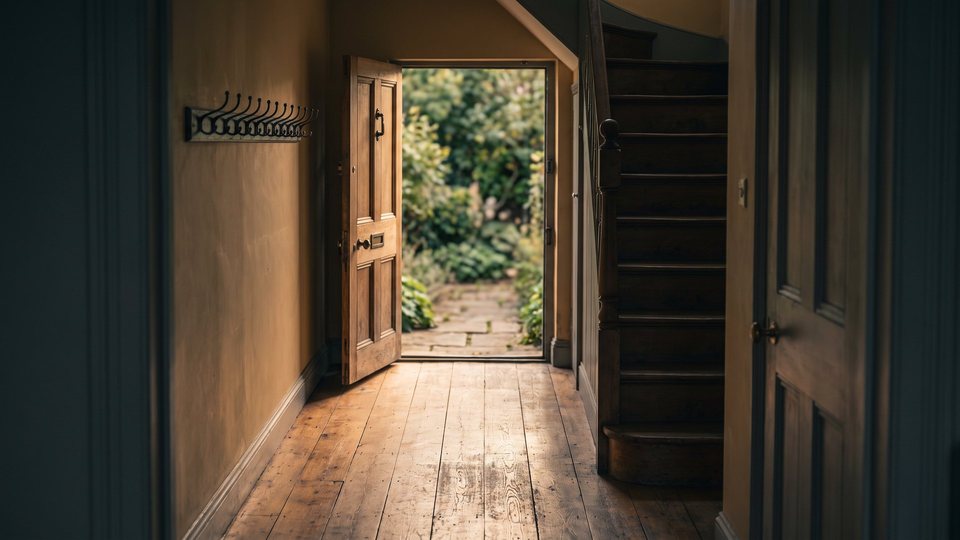
An impression relating to the subject, generated with artificial intelligence. It shows no specific building and is not a photograph of one of our properties.
Article L-0095 · 06.10.2026 · 6 min read · Joé Christian Ewrard
Why first impressions are not enough
Fresh paint, tidy rooms and new flooring say little about the technical condition of a house. Costly risks are often concealed behind cladding, beneath the roof, in the basement or in the electrical distribution board. A beautiful kitchen can be replaced later. By contrast, a permanently damp wall or damaged roof structure requires considerably more attention.
When viewing an older property, do not focus solely on how it feels as a home. Ask about the year of construction, alterations, periods of vacancy, water damage and any available invoices. Ask to see which work was carried out by specialist contractors. Statements such as “That was done at some point” are not sufficient for a reliable assessment.
An estate agent can compile documents, highlight anything unusual and coordinate the process. However, where there are reasonable grounds for concern, the technical inspection should be entrusted to a suitably qualified expert or specialist contractor. This applies particularly if several trades may be affected.
Identifying damp and determining the cause
Damp is one of the most common areas of uncertainty when buying an older property. Typical signs include a musty smell, flaking plaster, salt deposits, dark areas on walls, rippled wallpaper or isolated areas that appear to have been freshly painted. Windows that are permanently open, dehumidifiers and numerous air fresheners may also warrant more detailed questions.
A visible stain does not reveal where the water is coming from. Possible causes include leaking pipes, driving rain, a defective roof, condensation, inadequate waterproofing or moisture from the ground. Older basements in particular were often not waterproofed to modern standards. A cool or slightly damp storage basement should therefore be assessed differently from a room marketed as a dry bedroom.
In the Eifel, the Eifelkreis Bitburg-Prüm, the Vulkaneifel and the area around Trier, buyers frequently encounter solid rubble-stone walls, older basements and buildings on sloping sites. With such houses, the terrain, drainage, downpipes and external walls must be considered together. Along the Moselle and on sloping sites, water may also exert pressure on the building from the side. Individual measurements taken indoors do not provide a complete diagnosis in such cases.
The financial implications depend primarily on the cause and accessibility. A localised leaking pipe is very different from the need to waterproof hard-to-reach basement walls from the outside. If the inside is merely repainted without addressing the cause, the damage will usually return. Before deciding to purchase, it should therefore be established whether a limited repair will suffice or whether a comprehensive damp-proofing and drainage plan is required.
Do not judge the electrical system by the sockets
A large number of sockets and modern switches does not automatically mean that the electrical system has been renewed. Old wiring may be concealed behind a new cover. Key factors include the distribution board, the condition of the wiring, the safety devices, the earthing and the proper separation of the circuits.
Warning signs include old fuse components, visible DIY fixes, loose wiring, scorched areas or numerous extension leads. A small fuse box can also indicate that the electrical system is not designed for modern-day use with a kitchen, home office, heating technology and other high-powered appliances. A qualified electrical contractor should carry out a reliable assessment.
The scope can range from manageable adjustments to complete replacement. If the entire building needs to be rewired, this involves more than just the wiring and distribution board. Walls must be opened up, then replastered and redecorated. This results in follow-on work across several trades.
Any necessary complete refurbishment should ideally be carried out before new flooring, painting and decorating, or a fitted kitchen. Reversing this order means paying for some work twice and exposing rooms that have already been finished to dust and dirt again.
Structural integrity: assessing cracks correctly
Not every crack is dangerous. Plaster can crack due to changes in materials, shrinkage or previous work. Wide or growing cracks, diagonal cracks around windows and doors, deformed ceilings and visibly sunken structural components are more critical. Sticking doors can be harmless, but in conjunction with other irregularities they may indicate movement in the building.
Particular attention should be paid to removed walls and large openings created at a later date. Ask when the alterations were carried out and whether plans, permits or structural calculations are available. Converted lofts, balconies and heavy new floor structures may also have altered the original construction.
With older timber beam floors, it should be checked whether the beam ends have been affected by moisture or pests. Load-bearing components are often more visible in the basement and roof space than in renovated living areas. If there are suspicious cracks or deformations, a brief inspection is no substitute for an assessment by a structural engineer or building surveyor.
Structural problems can require anything from local reinforcement to major interventions in the load-bearing structure or foundations. They should therefore be assessed before cosmetic defects. Only once the cause has been established can it be determined whether the risk is manageable and compatible with the available financing.
Viewing the roof as a complete system
When looking at a roof, the covering is usually the first thing to attract attention. However, the roof structure, junctions, drainage, substructure, insulation and signs of previous leaks are also important for the assessment. Water does not always appear inside directly below the damaged area. It can travel along structural components.
Look out for discolouration, soft timber, damp insulation, signs of pests and temporary repairs. Critical areas are often found around chimneys, dormers, valleys, roof windows and junctions. In converted lofts, part of the structure remains concealed. Documentation of previous work then becomes more important.
Slate roofs and buildings exposed to severe weather are not uncommon in the Eifel. Slate can be long-lasting, but the fixings, junctions and substructure must also function properly. It may be possible to repair individual damaged elements selectively. However, if several components have reached the end of their service life, a roof repair becomes a comprehensive refurbishment project.
A new roof covering may necessitate further measures, for example to the insulation, drainage or roof windows. The technical and energy-related requirements that apply in each specific case should be clarified with specialist planners and qualified contractors. For legal questions, the competent authority or an appropriately specialised legal adviser should be consulted.
Which hidden costs should be investigated first
The correct order starts with hazards and causes of damage. Active water ingress, unsafe electrical systems and concerns about load-bearing components take priority. The roof, building envelope and building services come next. Surfaces, floors and aesthetic preferences come last.
The scale of the work should not be assessed on the basis of a single visible defect either. What matters is which consequential work will be required. A new pipe or cable can entail work on walls and floors. Work on the roof can affect insulation and interior finishes. External waterproofing may require earthworks, drainage and the restoration of paths.
It is advisable to divide the work into measures required in the short term, measures that can be planned for the medium term and measures that are purely optional. This classification should not be made by the seller or buyer alone; where there are technical risks, it should be confirmed by specialists. For major measures, obtain comparable assessments and check what is included in the quotation.
A standard contingency allowance is not suitable for every older property. The financing framework should be based on the condition of the specific building, the necessary work and your personal financial capacity. Banks, financing advisers and specialist contractors can handle different parts of this assessment. You should discuss the tax implications with a tax adviser.
Checking documents and statements before purchasing
Important documents include building plans, permits, evidence of alterations, invoices, maintenance records, the energy performance certificate and any available documentation relating to damage. You should also check whether the actual use of the rooms corresponds to the documents. A basement room furnished as living space is not automatically approved as such.
Ask specifically about known moisture problems, previous water damage, alterations to load-bearing components, work on the electrical system and roof repairs. Keep a clear record of key information. If anything is unclear regarding disclosure obligations, contractual clauses or liability, you should consult a notary or lawyer before notarisation.
Another common mistake is to investigate the need for renovation only after the financing has been arranged. It is better to incorporate technical findings into the purchase price and financing decision at an early stage. Not every defect is a reason not to buy. It becomes particularly problematic when the cause, extent and financing remain unclear.
If you are assessing an older property in Bitburg-Prüm, Trier, Trier-Saarburg, the Vulkaneifel or near the border with Luxemburg, start with a second, objective viewing. Note any signs of moisture, issues with the electrical system, structural concerns and problems with the roof, collect the available documents and have specific concerns professionally assessed. This turns a vague risk into a clear basis for making decisions about the purchase and financing.
Frequently Asked Questions
Should I always view an older property with a surveyor?
Not every initial viewing requires an immediate survey. However, if there are signs of moisture, conspicuous cracks, an old roof structure or an electrical system of uncertain condition, professional assistance before making the purchase decision is advisable. The appropriate expert depends on the issue identified.
Is a damp basement normal in an old house?
Older basements were often built and used differently from modern basements intended as living space. Nevertheless, damp should not simply be dismissed as normal. Its cause and severity, the use of the basement and any potential effects on adjacent components must be assessed.
Can an energy performance certificate indicate the need for renovation?
The energy performance certificate provides information about the property's energy efficiency, but it is not a substitute for a technical condition assessment. It does not reliably assess the structure, hidden moisture damage or the safety of the electrical system. The documents and the building must be considered together when making the purchase decision.
Which work should be carried out first after the purchase?
First, active causes of damage and safety risks are addressed. This is followed by the building envelope, building services and any necessary subsequent work. Painting, flooring and other surface work should only begin once the pipes and wiring, moisture, structural integrity and roof have been assessed.
Does the seller have to disclose all defects?
The information that must be provided and the effect of contractual clauses depend on the individual case. You should document technical issues and discuss them openly. A notary or lawyer should be consulted for a legal assessment.
Topics: buying an older property, hidden costs of older properties, buying property in the Eifel, damp in the house, checking the electrics, roof renovation, checking structural integrity, property financing
Responsible for this article: Joé Christian Ewrard — Owner & IHK-certified estate agent, PRIOCASA Immobilien & Finanzservice. Last updated: 06.10.2026. The draft was created with the support of artificial intelligence and was reviewed and approved before publication (AI Transparency). This post does not replace legal or tax advice; for individual questions, please contact a notary, lawyer, or tax advisor.
The next step
Are you currently searching?
Tell us what has to fit. We will contact you before a property goes online.
Fits well
Buying & Financing
Buying land and building: What must be clarified beforehand
Check a building plot with confidence: How to clarify the development plan, site servicing and preliminary building application before buying and avoid costly mistakes b
Buying & Financing
House-buying checklist for the viewing
The home-buying checklist shows you how to inspect the basement, roof, windows and utility lines, identify risks and, during the viewing, specifi
Buying & Financing
Financing fell through: What property buyers can do
What applies before and after the notary appointment, what risks arise, and how buyers can secure their property financing reliably and in good time a
All about homeListing
When you move in
Electricity, internet, and insurance for your own house can be arranged before the handover of the keys.
 Listing. The comparison is conducted by Verivox, not PRIOCASA. If a contract is concluded through this, we receive a commission — the price remains the same for you. Nothing is transmitted before you click; what happens afterwards is explained in our
Privacy Policy.
Listing. The comparison is conducted by Verivox, not PRIOCASA. If a contract is concluded through this, we receive a commission — the price remains the same for you. Nothing is transmitted before you click; what happens afterwards is explained in our
Privacy Policy.
The next step
One conversation is enough.
No marathon of forms, no waiting on hold. Call or write to us – you will speak directly with the people handling your request.