
Selling & Marketing
Property Details and Photos: What Makes a Good Listing
Selling a property means handing over more than just rooms and land. It is often tied to memories, financial security and family expectations. A good listing helps prospective buyers understand the value of the property without glossing over anything.
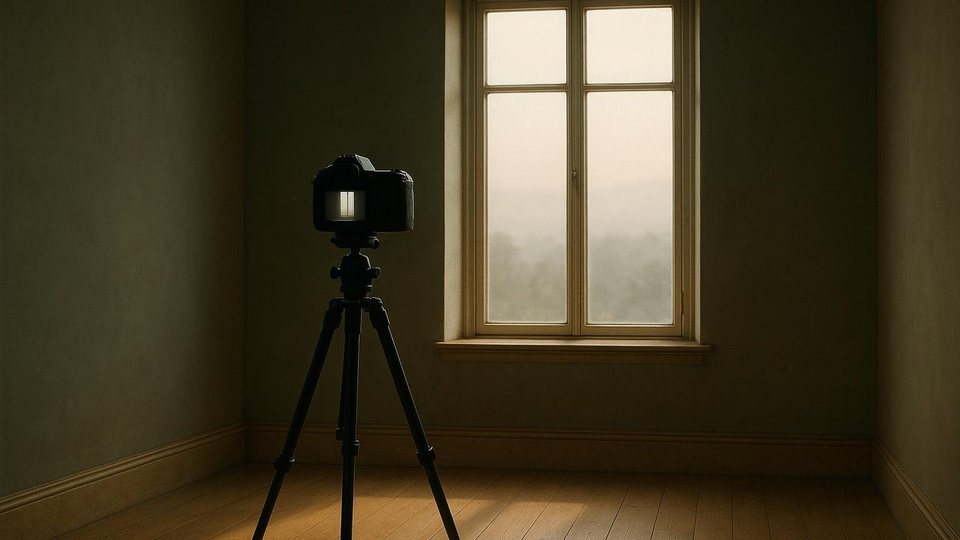
An impression relating to the subject, generated with artificial intelligence. It shows no specific building and is not a photograph of one of our properties.
Article L-0021 · 07.09.2026 · 7 min read · Joé Christian Ewrard
What prospective buyers look at first
Most prospective buyers do not start with the detailed property description. They first look at the main photo, asking price, location and key details. If this initial impression matches their search, they open the listing and usually look through the other photos.
The main photo therefore has a particularly important role. It needs to attract attention while also presenting a realistic picture of the property. For a detached house, a well-chosen exterior view may be suitable. For a flat, a bright living area is often compelling. If a property has a striking view, an attractive garden or distinctive architecture, this feature can also serve as the opening image.
A poor main photo, by contrast, often shows a dark façade, a cramped corner of a room or an incidental detail. Some listings begin with a site plan, an energy performance certificate or a collage. This makes it harder to assess the property quickly. Prospective buyers have to search before they understand what is being offered.
The best main photo is not necessarily the most spectacular one. It is the image that accurately sums up the property. Anyone who raises expectations here that are not borne out by the rest of the listing may gain attention, but will lose trust.
The best order for property photos
A good sequence of images takes prospective buyers through the property in their minds. It should neither feel random nor show every room several times. A clear progression from the overall impression to the individual areas and then to the surroundings has proved effective.
After the main photo, it should quickly become clear what type of property is being offered. This can be followed by the living area, kitchen, important bedrooms or workspaces, bathroom, outdoor areas and special features. Floor plans then help prospective buyers understand the spatial relationship between the rooms they have already seen. A different order may be appropriate for apartment buildings, tenanted properties or properties with outbuildings.
The key is coherence. If a garden view is suddenly followed by a basement room, then a balcony and then the living room again, it becomes difficult to get a sense of the layout. Prospective buyers then do not know how the rooms and areas connect. A well-ordered sequence of images, by contrast, conveys calm and care.
Not every room requires the same amount of attention. The boiler room rarely needs to appear before the living room. A modernised bathroom may be featured more prominently than an ordinary hallway. Nevertheless, relevant areas should not be deliberately concealed. If, for example, interior photos are missing entirely, prospective buyers may quickly assume that renovation work is needed or that there are other problems.
How to recognise good property photos
Good photos show rooms that are bright, straight and realistically proportioned. They make it clear how a room can be used and how windows, doors and adjoining areas are arranged. This requires a carefully considered viewpoint, suitable lighting and clean image composition.
Before the photo shoot, personal belongings should be reduced, surfaces cleared and any visible minor clutter removed. This does not mean making an occupied house look sterile. Prospective buyers should be able to imagine themselves living there. Family photos, cluttered worktops, loose cables or overcrowded shelves distract from this.
Wide-angle shots can help present a room clearly. However, if overused, they create false expectations. A small room then appears significantly larger than it does during the viewing. Heavy filters, artificially replaced views from windows or subsequently removed parts of the building are similarly problematic. Image editing may balance brightness and colours, but it must not create a different property.
A typical effect is familiar from estate agency practice: A tidy house receives little interest because the photos were taken on a dark day with the shutters closed. Conversely, a simple but well-maintained property can make a convincing impression if its layout, condition and lighting are presented honestly. Good photography does not invent value. It makes existing qualities visible.
What a compelling property brochure needs to achieve
The text should answer questions that the images alone leave unanswered. These include the type of property, its layout, its apparent condition, potential uses, key features and location. A good property description helps prospective buyers decide whether the offer is generally suited to their lifestyle and budget.
The opening should identify the property's defining feature. This could be a family-friendly layout, a quiet location, a spacious outdoor area or good transport links to a workplace. General phrases such as “dream home”, “unique opportunity” or “feel-good living”, by contrast, provide little guidance.
The text then needs a clear structure. Rooms and potential uses should be described clearly. Modernisation work must be specified precisely where reliable information is available. Terms such as “renovated”, “as new” or “ready to move into” should only be used if they accurately reflect the property's actual condition.
A good property description distinguishes facts from assessments. “The room is suitable for use as an office” is a reasonable suggestion for its use. “Perfect for every professional” is a sweeping claim. The more objective the text remains in such instances, the easier it is for prospective buyers to make their own decision.
Why honesty sells better than embellishment
Owners often fear that openly mentioning shortcomings will lower the price or deter prospective buyers. The opposite may happen. Anyone who conceals an evident need for modernisation merely postpones the disappointment until the viewing or a later stage of the assessment.
A listing does not need to highlight every minor cosmetic flaw. However, it should not create false impressions of the condition, location or usability. An older bathroom may be described as older. An unfinished room should not be made to appear like a fully habitable room through decoration. For questions relating to building law, legal matters or tax, the available documents must be reviewed; depending on the subject, binding information should be obtained from a notary, lawyer, tax adviser or the competent authority.
Missing information is also noticeable. Prospective buyers then wonder whether documents are unavailable or being deliberately withheld. A professional estate agent therefore clarifies before publication which documents are available, which statements can be substantiated and where further enquiries are still necessary.
This openness also protects the seller. Viewings become more focused because prospective buyers already know what to expect. This reduces unnecessary appointments and lowers the risk of an initially enthusiastic buyer pulling out later.
What is particularly important in the Eifel and around Trier
In the Eifelkreis Bitburg-Prüm, in Trier and Trier-Saarburg, in the Vulkaneifel and along the border with Luxemburg, properties and buyers’ motivations differ considerably. A townhouse in Trier requires a different presentation from a former farmhouse in an Eifel village or a home for commuters travelling towards Luxemburg.
For rural properties, outbuildings, use of the land, access, parking options and the actual room layout are often of particular interest. Photos should not merely mention these aspects, but show them clearly. With older houses, extensions, different parts of the building and previous uses must also be clearly distinguished from one another.
Location and accessibility are important for commuters. However, the text should not make blanket promises about journey times. Traffic volume, place of work and the chosen route affect the actual duration. A factual description of the transport connections and the directions that can be reached is more appropriate.
The immediate surroundings also deserve attention. “Quietly located” can mean many things. It is more informative to state whether the house is in an established part of a village, on the outskirts of a locality or on a busier road. Buyers from outside the area in particular need this context because they are not automatically familiar with the region’s smaller localities and distances.
Which mistakes weaken a listing
A poor listing is rarely poor because of just one photo. Usually, several small inconsistencies add up. The headline promises spaciousness, while the images show narrow sections. The text describes the property as well maintained but avoids any specific details. Important areas are missing, while decorative features have been photographed several times.
Unverified information is also problematic. If the living area, condition of the building, possible uses or modernisation work are not reliably documented, they must not simply be stated from memory. Owners often know a great deal about their house, but memories are no substitute for documentation.
Another mistake is targeting the wrong audience. A house is then marketed simultaneously as a family home, an investment property, a holiday home and a retirement home. This makes the marketing seem unfocused. A good listing does not unnecessarily rule out possible uses, but it does establish a clear and reasonable focus.
Nor should the text overlook potential concerns. If renovation is required or the property has an unusual plot shape or layout, prospective buyers need an honest assessment. This will not remove all their concerns. However, it shows that the sale has been properly prepared.
How the property brochure, photos and viewing work together
The listing is not intended to anticipate every decision. Its purpose is to guide suitable prospective buyers towards making an informed enquiry. To achieve this, the photos, text, key details and documents must all tell the same story.
Before publication, it is worth making a simple change of perspective. Can someone who does not know the house understand the floor plan? Can they identify its main strengths? Do they know which questions remain unanswered? Do the visible condition and the description match?
The first enquiries will show whether the listing is effective. If the same misunderstandings recur, a piece of information or an image is probably missing. If almost all enquiries are unsuitable, the positioning may be unclear. Revising the listing is then not a sign of failure, but part of a careful marketing process.
For owners, the next step becomes more manageable if the documents, rooms and target audience are reviewed together first. Only then are the visual concept and text determined. This results in a property brochure that does not apply pressure, but provides a reliable basis for the viewing, financing and purchase decision.
First, review your planned listing from the perspective of a prospective buyer who is unfamiliar with the area: What do you understand immediately, what remains unclear, and what expectations does the main image create? If the documents, image sequence, and text are not yet consistent, a preliminary marketing consultation can provide clarity before the property is listed.
Frequently Asked Questions
Which photo should appear first in a property listing?
The main image should present the property clearly and attractively, but realistically. Depending on the property, an exterior view, a bright living area, or a distinctive feature may be suitable. A collage or an incidental detail usually makes it more difficult to engage prospective buyers.
Should rooms in need of renovation be shown in the listing?
Relevant rooms should not be deliberately concealed. A factual presentation creates realistic expectations and prevents disappointment during the viewing. The text can provide context for the visible condition without describing it disparagingly.
Do all rooms need to be photographed?
Not every utility or ancillary room requires its own extensive series of photos. However, prospective buyers should be able to understand the layout, the main living areas, and important special features. If a key area is missing, this can quickly lead to mistrust and additional questions.
What should a good property description include?
The text should clearly explain the property type, layout, condition, possible uses, key features, and location. Statements about modernisation work or floor areas must be based on reliable information. Legal and tax-related questions should be clarified with the relevant specialists.
May property photos be digitally edited?
Subtle adjustments to brightness, colour, and framing are customary. However, alterations that make rooms appear larger, remove defects, or misrepresent the view create false expectations. The image should preserve the true impression of the property.
Topics: property description, property photos, creating a listing, selling a house in the Eifel, estate agent Bitburg, property sales Trier, property marketing Luxemburg border region
Responsible for this post: Joé Christian Ewrard — Owner & Real Estate Agent IHK, PRIOCASA Immobilien & Finanzservice. Last updated: 07.09.2026. The draft was created with the support of artificial intelligence and was reviewed and approved before publication (AI Transparency). This post does not replace legal or tax advice; for individual questions, please contact a notary, lawyer, or tax advisor.
The next step
Are you considering a sale?
The first step is not a contract, but a number you can rely on.
Fits well
Selling & Marketing
Selling a house in Konz: process, price and timeframe
Selling a house in Konz: Find out how to safely prepare the price, documents, marketing, notary appointment and handover, without un
Selling & Marketing
Selling a House in Hermeskeil: Process, Price and Timeframe
Selling a house in Hermeskeil: process, price, timeframe and handover clearly explained. This is how you avoid common mistakes and plan the nex
Selling & Marketing
Selling a house in Trier: Process, price and timeframe
Selling a house in Trier: How to reliably prepare the price, documents, marketing, notary appointment and key handover without ti
All about homeListing
What still needs to be arranged when moving out
Electricity, gas, and internet continue until someone transfers them. If you are changing the provider anyway, it’s best to compare right away.
 Listing. The comparison is conducted by Verivox, not PRIOCASA. If a contract is concluded through this, we receive a commission — the price remains the same for you. Nothing is transmitted before you click; what happens afterwards is explained in our
Privacy Policy.
Listing. The comparison is conducted by Verivox, not PRIOCASA. If a contract is concluded through this, we receive a commission — the price remains the same for you. Nothing is transmitted before you click; what happens afterwards is explained in our
Privacy Policy.
The next step
One conversation is enough.
No marathon of forms, no waiting on hold. Call or write to us – you will speak directly with the people handling your request.