
Buying & Financing
Buying a House in Gries: What Buyers Should Consider
A house can immediately feel right during a viewing. However, the crucial questions often only arise later: Is the building structurally sound, does its location within the village suit everyday life, and will the necessary work remain financially manageable? Anyone looking to buy in Gries should therefore assess the house and its surroundings together.
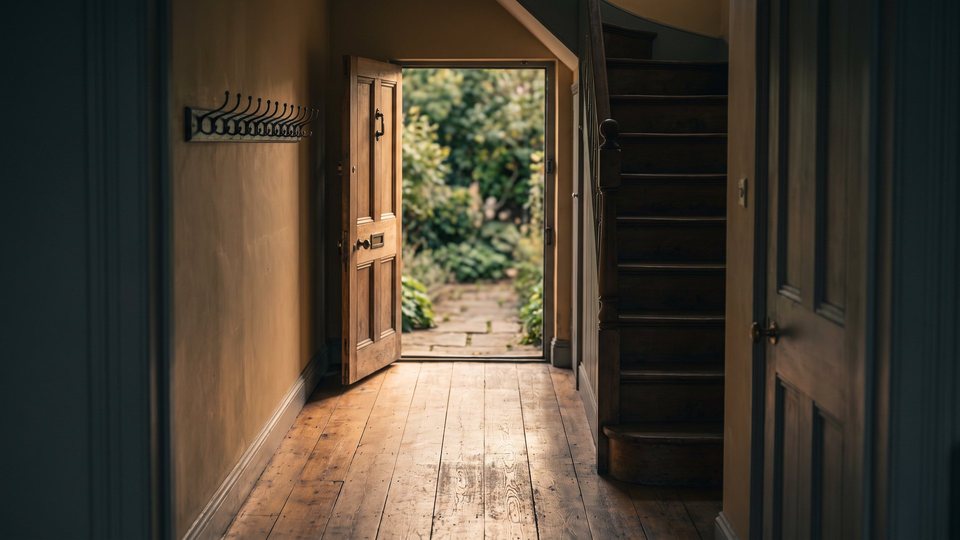
An impression of the landscape around Gries, generated with artificial intelligence. It shows neither a specific place nor a specific building and is not a photograph of one of our properties.
Article L-0218 · 24.11.2026 · 6 min read · Joé Christian Ewrard
Which location within Gries suits your everyday life?
When buying a house in Gries, the village itself is not the only deciding factor. The specific street is crucial. A house near the Ohmbachsee can provide easy access to recreational areas. At the same time, buyers should look carefully at how the plot, driveway and basement are situated in relation to the terrain. A location by the lake does not automatically mean an increased risk. However, it is a good reason not to assess water flow paths and the terrain based solely on appearance. [Verbandsgemeinde Oberes Glantal](https://www.vgog.de/vg_oberes_glantal/Gemeinden/Gries/)
The elevation within the village also affects everyday life. A hillside plot may offer attractive views and privacy. However, the driveway, drainage, retaining walls and garden maintenance become more important. In lower-lying locations, you should pay particular attention to signs of damp, surface water and the contours of adjacent land.
Do not inspect the surrounding area only during the viewing appointment. Walk along the street. Check how overlooked the property is, the parking situation, road noise and access to the plot. Consider how delivery vehicles, tradespeople or a removal van would reach the house. A narrow or steep driveway may later prove more of an issue than outdated flooring.
If possible, return at different times of day. This will show you whether the rooms receive enough natural light, how busy the street is and whether noise from the recreational area, neighbouring properties or traffic can be heard. These impressions are personal. A property brochure cannot replace them.
What should you inspect in the building structure?
Do not start with the kitchen and wall colours. First inspect the building components that could be costly to renovate. These include the roof, façade, windows, basement, utility lines, heating system and drainage. Ask about modernisation work that has been carried out and request invoices, documentation from specialist contractors or permits. The statement “it was done” is not sufficient for a purchase decision.
In the basement, odours, efflorescence, flaking plaster and dark marks are important indicators. Damp can have various causes. Possible causes include water ingress, condensation, defective pipes or inadequate waterproofing. A single viewing in dry conditions therefore proves little. Ask what the basement looks like after prolonged periods of rain and whether there has been any previous damage.
Outside, pay attention to where rainwater flows. Do downpipes end directly beside the wall? Does the ground slope towards the building? Are there channels, drains or visible repairs to the plinth and retaining walls? Such details are particularly important on varied terrain. If in doubt, an independent building surveyor should inspect the house.
Cracks must be assessed objectively. Small cracks in the plaster are different from changes in the masonry. Extensions, converted attic spaces and ancillary living areas also deserve attention. Use the building file to establish whether the actual use corresponds with the documents. Legal questions concerning permits or rights of use should be referred to a notary or lawyer.
Why are water and the plot particularly important in Gries?
Lake Ohmbach shapes the immediate surroundings. For buyers, this does not result in a blanket assessment of a house. The specific plot is always the determining factor. You should therefore check the official flood and flash-flood information for the exact address. The maps show modelled hazards and are no substitute for an inspection of the building, but they provide important guidance. [Flood Risk Check Rhineland-Palatinate](https://wasserportal.rlp-umwelt.de/auskunftssysteme/hochwasserrisiko-check)
You should also examine neighbouring plots, slopes, ditches and sealed surfaces. Water does not follow property boundaries. A driveway on higher ground or an adjacent slope can affect the basement, garage and terrace during heavy rainfall. Ask the owner specifically about any previous water ingress and repairs.
The plot also includes boundaries, rights of access and utility routes. A garden may appear spacious even though part of it is difficult to use. Sloping areas, retaining walls or outbuildings require maintenance and may restrict future alterations. You should therefore compare the site plan, land register information and the visible condition on site.
Before purchasing, speak to an insurer about the cover you require. The key question is not only whether a policy is available in principle, but also which risks are covered and which excesses or exclusions apply. Ask for this to be explained to you in writing.
How convenient are travel and local amenities in everyday life?
In Gries, distance alone is not the deciding factor. What matters is whether your regular journeys are practical. Drive from the house to the places you actually need to reach: work, shops, doctor, school or childcare. When doing so, check not only the fastest route, but also access during rush hour, in bad weather and in winter.
There is a childcare centre in the village. Whether it is suitable for your family and whether a place is available must be clarified directly with the provider. For other daily destinations, buyers should not assume that all amenities are available in the immediate residential area, but should test their personal routes before purchasing. [Oberes Glantal Association of Municipalities](https://www.vgog.de/vg_oberes_glantal/Gemeinden/Gries/)
Gries is connected to the district’s bus network. However, timetables may change, and having a bus stop in the village does not necessarily mean that the service fits your working hours, school journey or return trip in the evening. Check the specific connection on typical weekdays and determine how you will cover the final distance between the bus stop and the house. [Public Transport in the Kusel District](https://www.landkreis-kusel.de/buergerservice-und-verwaltung/themen/oepnv/)
Digital connectivity is also part of assessing the location. Do not rely solely on general coverage maps or statements from neighbours. Enquire with providers about the specific address and ask to be shown the existing connections. Anyone who regularly works from home should also check mobile reception and a possible backup solution.
Which documents protect you from costly surprises?
Request the key property documents before making a binding decision. These include, in particular, floor plans, area details, the energy performance certificate, land register information, the site plan and any available documents relating to alterations. For older houses, the building file is often particularly informative. It may show whether subsequent extensions or changes of use were documented.
Compare the documents with the actual property. Do the room layout, windows, stairs, extensions and outbuildings match the plans? Is an area presented as living space actually approved for that purpose? Any unclear discrepancies should be resolved before the notary appointment. A real estate agent can compile documents and coordinate questions, but cannot replace an assessment of compliance with building regulations.
Also, do not plan based solely on the purchase price. Take into account ancillary purchase costs, financing, necessary repairs, energy-efficiency measures and a reserve for hidden issues. Distinguish between urgent work and desired cosmetic improvements. This will show you what budget will actually be needed immediately after the handover.
For tax implications, contractual clauses, rights of residence, rights of way or family-based purchase arrangements, you should consult a tax adviser, notary or lawyer. Clarifying these matters early takes pressure off the process and prevents unanswered questions from emerging only when the contract is drafted.
How can you make a sound decision after the viewing?
Immediately after the appointment, make separate notes of what you know and what you merely suspect. “The basement appears dry” is an observation. “The basement has no moisture problem” would already be a conclusion. This distinction creates a clear list of documents, follow-up questions and points for a further viewing.
Take a knowledgeable person with you to a further appointment if the roof, basement, hillside location or alterations raise questions. An independent assessment costs money, but can provide the basis for a realistic decision. Their report is also helpful when speaking with the financing bank and prioritising subsequent work.
PRIOCASA has offered and managed a house in Gries. According to the data sheet, the current property 232 comprises 220 m² and 9 rooms; the asking price is 269.000 €. This information does not replace an assessment of individual suitability and the building fabric. For Gries, no sale or rental by the agency itself is documented by a paid invoice. The information is current as of 24.11.2026.
Ultimately, the crucial factor is not whether a house has no weaknesses. What matters is whether the weaknesses have been identified, professionally assessed and are financially manageable. This turns a good feeling into a well-founded purchase decision.
Arrange a viewing and bring your personal checklist with you: building fabric, water, plot, access routes, utilities and documents. If doubts remain afterwards, arrange another appointment with an expert. Only once the outstanding points have been clarified and the necessary work has been assessed financially should interest turn into a purchase decision.
Frequently Asked Questions
What should I look at first when considering a house in Gries?
First, check the immediate surroundings, terrain, moisture and major structural components. Kitchens, flooring and wall colours are easier to change than a problematic basement, difficult access or alterations that have not been clarified.
Is proximity to the Ohmbachsee a risk when buying a house?
There is no general answer to this. The specific plot, its elevation, possible water routes and official hazard maps are decisive. Have any unusual features in the basement or terrain professionally investigated.
Do I need a building surveyor for the viewing?
Not necessarily for a first impression. Before making a binding decision, professional support is advisable if you notice moisture, cracks, a hillside location, older systems or undocumented alterations.
Is the infrastructure in Gries sufficient for everyday life?
That depends on your personal daily routine. Check your actual journeys to work, shops, doctors, school or childcare, as well as suitable bus connections. A test journey is more informative than a general distance estimate.
Which questions should be clarified before the notary appointment?
Clarify the condition, modernisations, permits, plot boundaries, rights, financing and known damage. Unresolved legal questions should be answered by a notary or lawyer; tax questions should be addressed to a tax adviser.
Topics: buying a house in Gries, properties in Gries, checking the building fabric, Ohmbachsee, house viewing, immediate surroundings, property purchase, PRIOCASA
Responsible for this article: Joé Christian Ewrard — agency owner & Real Estate Agent IHK, PRIOCASA Immobilien & Finanzservice. Last updated: 24.11.2026. The draft was created with the support of artificial intelligence and was reviewed and approved before publication (AI Transparency). This post does not replace legal or tax advice; for individual questions, please contact a notary, lawyer, or tax advisor.
The next step
Are you currently searching?
Tell us what has to fit. We will contact you before a property goes online.
Current offers in Gries
Fits well
Value & Price
Property Prices in Gries: What Determines Value
What determines property prices in Gries? Find out how location, condition and demand affect them and how you can establish a reliable asking price
Selling & Marketing
Selling a house in Gries: process, price and timeframe
How does selling a house in Gries work? Find out how the price, documents, marketing and handover are prepared and what Ze
Locations & Markets
Real estate in Gries: buying, selling, proper valuation
How the property market works in Gries in the Kusel district: what buyers are looking for there, what sellers need to know, and for whom
All about homeListing
When you move in
Electricity, internet, and insurance for your own house can be arranged before the handover of the keys.
 Listing. The comparison is conducted by Verivox, not PRIOCASA. If a contract is concluded through this, we receive a commission — the price remains the same for you. Nothing is transmitted before you click; what happens afterwards is explained in our
Privacy Policy.
The next step
One conversation is enough.
No marathon of forms, no waiting on hold. Call or write to us – you will speak directly with the people handling your request.